
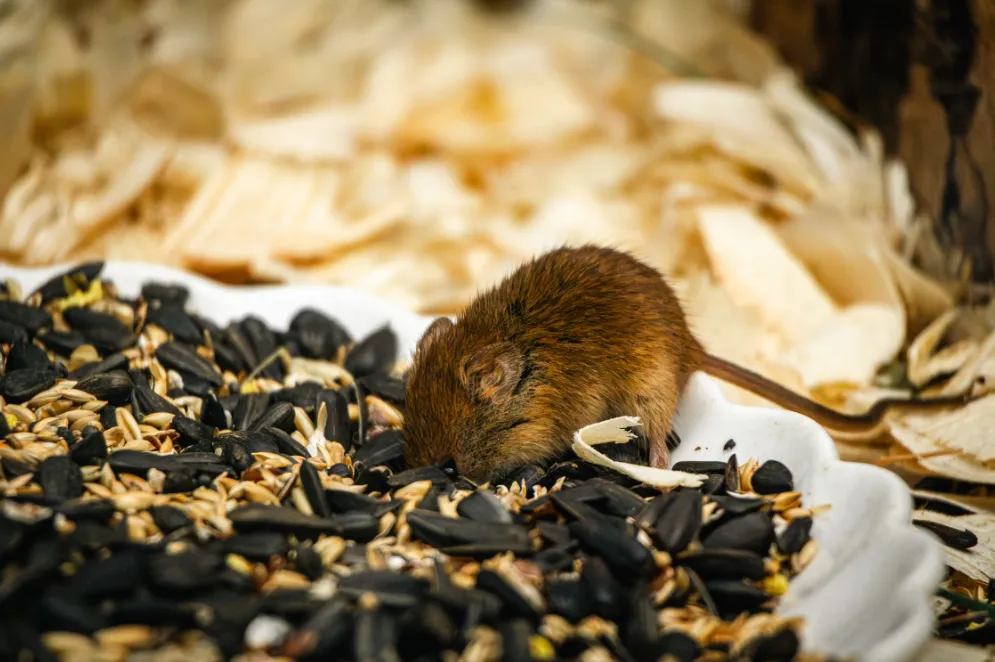
Stepping into the feed room during the quiet morning hours should be one of the most rewarding parts of barn chores: the rich scent of molasses and fresh grain greeting you as you prepare rations. But that peaceful routine shatters when you flip on the light and spot scurrying shadows, chewed paper sacks, and scattered droppings across the feed bench.
Mice and rats are persistent barn fixtures, but allowing them access to your feed room creates a severe crisis for animal health.
Rodents do far more than steal grain. They contaminate rations with urine and feces, transmitting dangerous pathogens like Salmonella and Leptospira. Rodents also chew through electrical wiring—creating serious barn fire hazards—while spoiling hundreds of dollars in high-grade feeds and specialized supplements each month.
Relying solely on barn cats or scattered snap traps will not solve an infestation if your feed room remains an open buffet. Lasting defense starts with daily management protocols and physical barriers. Here are five essential storage habits that will turn your feed room from an easy rodent target into a fortified space.
1. Upgrade from Plastic Bins to Heavy-Gauge Galvanized Steel
The quick answer: Mice and rats easily chew through heavy-duty plastic storage tubs and rubber bins; storing grain in heavy-gauge galvanized steel trash cans creates an impenetrable physical barrier.
Many caretakers make the mistake of buying heavy-duty plastic storage totes, assuming thick walls and snap-tight lids keep rodents out. Unfortunately, a rodent’s front incisors grow continuously, and their bite force easily gnaws through dense plastic, rubber, and multi-ply paper sacks in a single night.
Investing in galvanized metal feed bins or 30-gallon steel garbage cans is the single most effective hardware upgrade you can make. Metal is completely rodent-proof.
When outfitting your space:
- Secure the Lids: Choose cans with tight-fitting lids, and secure handles with heavy-duty bungee cords to keep raccoons and rats from prying them off.
- Keep Gaskets Clean: Wipe metal rims regularly so grain dust does not prevent lids from seating flush.
- Sanitize Seasonally: Wash metal cans twice a year to clear out fine grain dust and stale oils that attract pests.
2. Elevate Bulk Bags and Adopt the “Six-Inch Perimeter” Rule
The quick answer: Storing feed bags directly against concrete floors or walls traps moisture and creates protected rodent runways; keeping pallets six inches off walls and floors eliminates hiding spots.
Stacking newly delivered bags of grain directly against barn walls or on bare concrete creates an ideal haven for mice. Concrete draws moisture from the ground, causing bottom bags to sweat, mold, and attract grain beetles. At the same time, bags pushed flush against walls create dark, protected runways where rodents navigate unseen.
Implement disciplined rodent-proof barn feed storage spacing:
- Use Heavy Pallets: Store unopened bags on pallets raised at least six inches off the floor to promote airflow and eliminate ground-level harborage.
- Pull Away from Walls: Maintain a clear six-inch perimeter gap between all feed containers, pallets, and walls. Mice rely on their whiskers to navigate along vertical wall edges; forcing them into open, lighted floor space makes them uncomfortable and exposed.
- Practice Strict FIFO Rotation: Follow a “First-In, First-Out” system. Rotate stock so older bags are always fed first, preventing neglected sacks from becoming long-term rodent nests.
3. Seal Sweet Feeds and Supplements in Airtight Containers
The quick answer: The fragrant aroma of molasses, omega oils, and sweet flavorings attracts rodents from afar; locking high-value supplements in gasketed airtight containers neutralizes scent cues.
Mice have poor eyesight but an extraordinary sense of smell. High-energy sweet feeds coated in molasses, textured grains with dried beet pulp, and vitamin tubs enriched with aromatic oils broadcast a powerful olfactory signal across the property. Leaving half-rolled feed bags or open supplement tubs on counters invites nocturnal visitors.
Upgrade your daily supplement storage protocol:
- Use Screw-Top Vaults: Transfer powders, mineral pellets, and electrolyte supplements into Gamma-seal or airtight screw-top containers.
- Never Leave Open Sacks: As soon as a paper feed bag is opened, immediately pour its entire contents into your dedicated metal bin rather than leaving the sack half-empty on the floor.
- Rinse Liquid Syringes Daily: Syringes used for liquid electrolytes, ulcer pastes, or sweet syrups should be washed immediately rather than left drying on counters where sugar residues draw pests.
4. Implement a Strict “Zero-Spill” Sweeping Routine
The quick answer: A single tablespoon of spilled grain can sustain a mouse for days; sweeping the floor immediately after every feeding removes the primary food source that attracts pests.
Barn chores are demanding, and when rushing to turn out animals or finish evening walk-throughs, sweeping up stray pellets around the feed scale often falls to the bottom of the list. However, leaving grain dust, cracked corn, or chaff on the floor completely undermines your metal containers.
To succeed at preventing feed room contamination, make cleaning an automatic closing habit:
- Sweep After Every Meal: Keep a dedicated stiff-bristle shop broom and dustpan right beside the door. Sweep the floor around grain bins, preparation tables, and doorways after every single feeding.
- Clean the Feed Cart: Check rolling feed carts and wheelbarrows. Grain trapped under liners or along wheel axles provides a hidden late-night buffet.
- Empty Trash Daily: Dispose of emptied paper feed bags, plastic bale wrap, and snack wrappers in an exterior dumpster or sealed outdoor bin rather than letting them accumulate inside the feed room.
5. Harden the Feed Room Envelope Against Entry Points
The quick answer: Mice can squeeze through openings as small as a dime; sealing baseboard gaps with coarse steel wool, hardware cloth, and metal door sweeps prevents entry into the room.
Keeping containers closed is half the battle; stopping rodents from entering the room completes your defense. In traditional barns and stables, feed rooms often feature gaps beneath wooden doors, spaces around overhead rafters, or holes where plumbing and electrical conduit enter.
Systematically fortify your feed room’s structural envelope:
- Install Heavy-Duty Door Sweeps: Fit thick rubber-and-aluminum door sweeps along the bottom of all feed room doors, ensuring no gap exceeds one-quarter of an inch.
- Pack Gaps with Steel Wool and Caulk: Fill cracks around pipes, conduit, and wall joints with coarse stainless steel wool before sealing them with exterior caulk or expanding foam. Mice chew through foam, but steel wool shreds their teeth.
- Cover Vents with 1/4-Inch Hardware Cloth: Secure heavy galvanized wire mesh over all exterior vents, windows, and soffit openings to block rodents while preserving ventilation.
6. Managing the Broader Barn Ecosystem: Rodents, Insects, and Spiders
The quick answer: Stored grain attracts insects that draw predatory spiders into outbuildings; comprehensive pest management controls both food-seeking rodents and hunting arachnids.
A rodent problem in an outbuilding never exists in a vacuum. Spilled grain, sweet molasses feeds, and organic dust attract grain moths, carpet beetles, crickets, and flies. This surge in insect activity quickly draws secondary predators into tack rooms, blanket lockers, and dark barn corners.
In equestrian facilities and rural properties across the Midwest, feed room pests often trigger a broader infestation. Spiders—including hunting species and venomous brown recluses—frequently colonize barns and outbuildings because of the abundant insect prey living around livestock feeds.
Addressing outbuilding sanitation disrupts the food chain from the bottom up. By eliminating grain dust and consulting licensed specialists in spider control in Kansas City, property owners can treat surrounding outbuildings, remove dangerous web-spinners from horse stalls, and secure perimeter shields that stop both crawling insects and raiding rodents.
Securing your barn’s feed room against rodents does not require dangerous poison baits that put barn dogs, cats, and horses at risk of accidental toxicity. It requires consistency, durable physical barriers, and disciplined sanitation habits. By replacing vulnerable plastic with galvanized steel, elevating bulk inventory, locking away sweet aromas, sweeping diligently after every chore, and sealing structural gaps, you cut off both food and shelter. Turning your feed room into a rodent-proof zone protects your investment in quality nutrition and keeps your animals healthy, safe, and thriving.

I am Amelia 35-year-old expert blogger and SEO specialist with a passion for crafting engaging, high-quality content. With years of experience in digital marketing and writing, I blend creativity with strategy to help websites grow. My work reflects insight, authenticity, and a love for connecting ideas through words.


