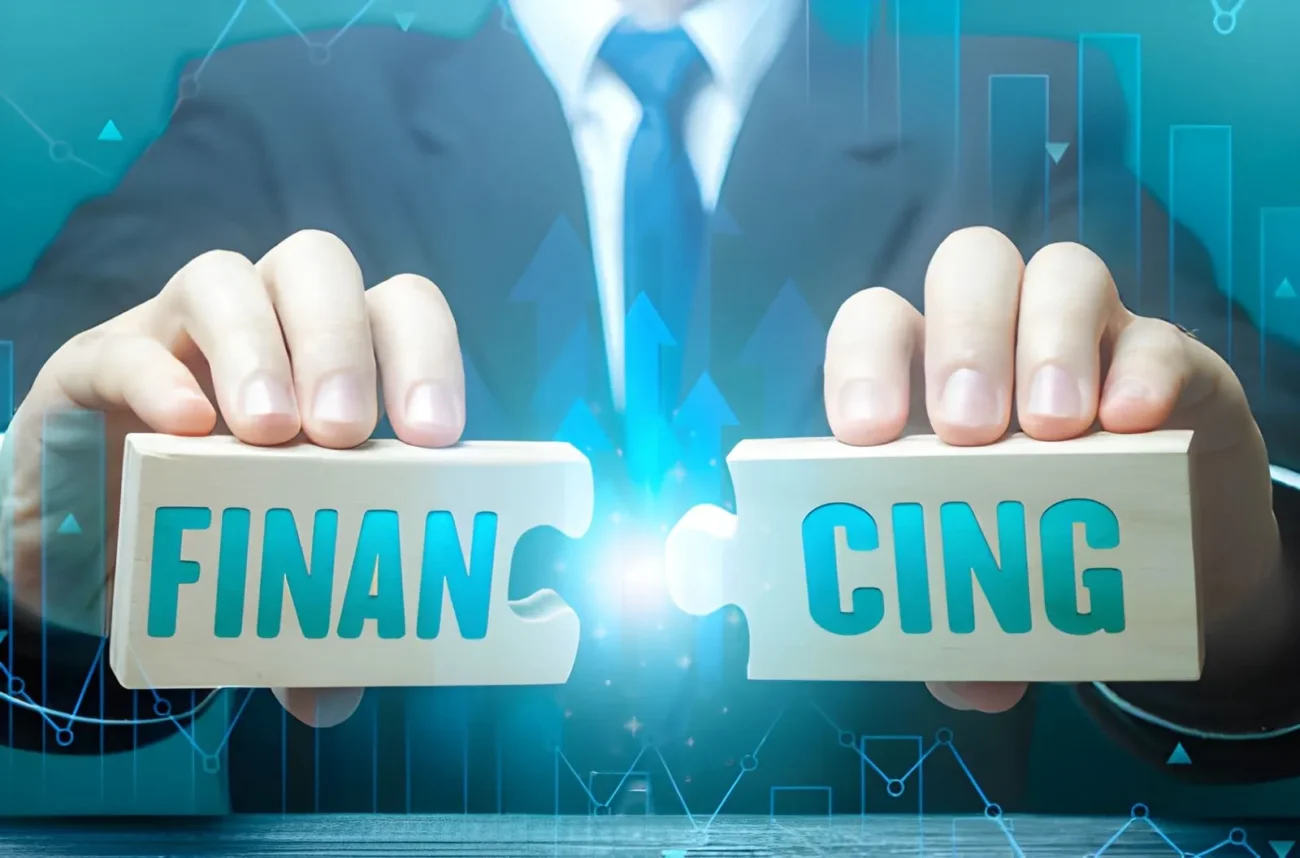
When people compare prices on furniture or decor, they usually focus on the sticker price, shipping, and maybe tax. Financing changes that calculation. A couch that looks affordable at checkout can cost meaningfully more once interest, late fees, or timing mistakes enter the picture. In some cases, financing can still be useful. The key is understanding that the final price is not just what appears in the cart.
That matters even more with large home purchases, where shoppers often combine discounts, seasonal sales, and extras like rewards or Wayfair cashback. Those savings can help, but they do not cancel out financing costs automatically. If a purchase is carried for months, the real total depends on how the payment plan works and whether you can stay ahead of it.
A better way to judge a deal is to treat financing as part of the product cost, not as a separate convenience. Once you do that, some offers look smarter, and others lose their shine fast.
Why monthly payments can blur the real number
Monthly payments are powerful because they shrink a big purchase into a manageable figure. A $1,200 bedroom set may feel easier to approve when it becomes a smaller recurring bill. But that mental shift can hide the bigger question: what will you have paid by the end?
With revolving credit, the answer depends on how long the balance stays unpaid. The Consumer Financial Protection Bureau explains that if your card has a grace period and you are not carrying a balance, paying in full by the due date can help you avoid interest on new purchases. It also notes that card issuers must send or deliver bills at least 21 days before the due date, which gives consumers a window to plan payments and avoid unnecessary charges through good timing and full payoff habits. See the CFPB explanation of a credit card grace period.
The hidden cost is often timing, not just interest
Financing costs are not always dramatic at first. Sometimes the damage comes from a few small misses that stack up. A payment that arrives after the cutoff can trigger a fee. A balance that rolls one month longer than planned can add interest. Automatic payments can help, but only if they are set up carefully and backed by enough cash in the account.
That is why timing matters almost as much as the interest rate. If your payment strategy depends on exact payday alignment, a large purchase can become more fragile than it looks. A plan that works on paper can break down when one bill posts early, one expense runs high, or one transfer takes longer than expected.
Why bigger household purchases create more risk
Furniture and home goods often come in bundles. A shopper might add a rug, lamp, or side table because the room feels incomplete without them. Financing can make that upsell feel painless. The total rises, but the monthly payment may still seem acceptable.
That can be risky because larger household purchases are rarely isolated. They often happen during moves, renovations, or family changes, which are periods when budgets are already under pressure. If cash flow gets tighter a month later, the financed cart becomes harder to manage than it looked in the moment.
Federal Reserve survey findings show that many adults with credit cards carry a balance at least some of the time, and that pattern is more common in households below certain income levels. The broader point is simple: financing works best when it is short, predictable, and backed by a realistic payoff plan. The Federal Reserve’s Economic Well Being of U.S. Households in 2024 report adds useful context for why repayment pressure can linger after the purchase itself stops feeling urgent.
How to tell whether financing helps or hurts
Before checking out, run through a few simple questions:
- What is the total amount you will pay if the balance lasts three months, six months, or a year?
- Will the purchase still feel worthwhile if a fee or interest charge shows up?
- Is your budget steady enough that one off week will not throw off the plan?
- Are you buying the item itself, or buying a monthly payment that feels comfortable today?
These questions sound basic, but they force the right comparison. They turn attention away from the checkout screen and toward the full life of the purchase. That is where the real price shows up.
The smartest discount is the one you actually keep
A good sale is only good if financing does not quietly erase the benefit. Savings at checkout are real, but they matter most when the payment strategy protects them. That usually means knowing the due date, understanding whether interest can be avoided, and matching the purchase to a payoff timeline you can actually maintain.
Financing can absolutely be useful for necessary purchases or planned upgrades. But it is never neutral. It changes the final price by changing the path between checkout and payoff. Smart shoppers do not just ask, “Can I afford the monthly payment?” They ask, “What price am I truly agreeing to by the end?”

I am Amelia 35-year-old expert blogger and SEO specialist with a passion for crafting engaging, high-quality content. With years of experience in digital marketing and writing, I blend creativity with strategy to help websites grow. My work reflects insight, authenticity, and a love for connecting ideas through words.