
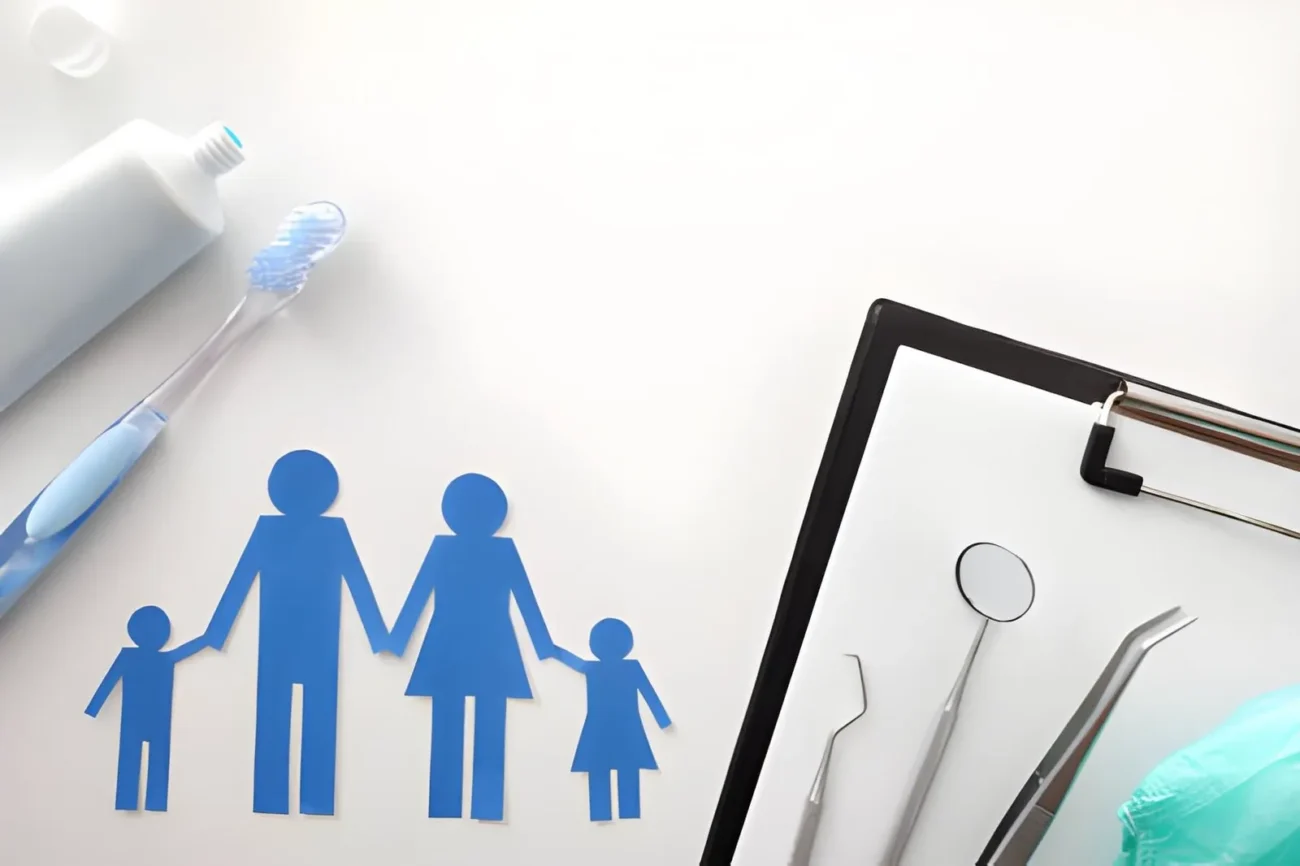
You packed the boxes, changed the address, enrolled the kids in school, and handled a hundred small details that all felt urgent. Dental care often slips down the list until a child complains about a tooth, a refill runs out, or you realize your old office is now hours away. That is a common spot to be in, and it can feel more stressful than it sounds. A move interrupts routines, and dental routines are no exception. If you are looking for a dentist serving Lake St. Louis and O’Fallon, this is often the moment when finding a new provider becomes part of settling in.
The core issue is simple. Your family still needs cleanings, records, insurance coverage, and a dentist you trust, even when everything else around you has changed. What Families Should Know About Dental Care After A Move comes down to a few practical steps. Find a new office early, transfer records before there is a problem, confirm your insurance details, and keep home care steady while you settle in.
Moving often disrupts family dental care faster than parents expect
You may assume you can wait a few months before finding a new provider. Sometimes that works. Sometimes it does not. A child who was due for sealants misses the window. A teen in braces needs an adjustment. A parent with a crown that felt fine during the move suddenly notices sensitivity when life finally gets quiet enough to pay attention.
This is where dental care after relocating becomes more than a task on a checklist. It affects school days, work schedules, sleep, and money. Preventive visits are easier to postpone than emergencies, but emergencies cost more and create more stress. Delaying care can turn a simple cleaning into a filling, or a small cavity into pain that needs urgent treatment.
If your family uses public coverage or you are between jobs, the pressure can feel sharper. You may be trying to figure out whether your child’s plan is accepted nearby, whether your old records can be sent quickly, and whether you need a pediatric office or a family dentist. If you need help locating an office that accepts children’s coverage, the InsureKidsNow dentist finder is a practical place to start.
Insurance, records, and timing shape the switch to a new family dentist
Most problems after a move are not about the cleaning itself. They are about paperwork, timing, and assumptions. Families often discover too late that a new dentist is out of network, records were never sent, or the next available appointment is weeks away. That can leave you scrambling when a routine issue stops being routine.
Records matter more than many people realize. X rays, treatment notes, fluoride history, and orthodontic information give a new office a clear baseline. Without that, your new provider may need to repeat imaging or spend extra time piecing together past care. That can mean more cost, more delay, and more frustration for you.
Children especially benefit from continuity. The CDC’s guidance on oral health tips for children reinforces the basics that stay the same during a move, including daily brushing with fluoride toothpaste, flossing, and regular dental visits. When home life feels unsettled, these small habits give kids some stability and lower the chance that skipped appointments turn into bigger problems.
Adults are not immune either. Stress can show up in the mouth. Teeth grinding, jaw soreness, and neglected sensitivity often increase during a move. If someone in your household already has a history of cavities, gum disease, or recent dental work, the handoff to a new provider should happen sooner rather than later.
Comparing common dental care priorities after a move helps families avoid setbacks
| Priority | If You Handle It Early | If You Wait Too Long |
|---|---|---|
| Finding a new family dentist | You get a routine exam on the calendar and can choose a provider based on fit, hours, and insurance. | You may have to take the first available opening when pain or a broken tooth forces the issue. |
| Transferring records | The new office sees past X rays, treatment history, and notes, which reduces repeat work. | You may face delays, duplicate imaging, or gaps in care planning. |
| Checking insurance | You know which offices are in network and what preventive care is covered. | You risk surprise bills or skipped visits because cost feels unclear. |
| Keeping home care routines | Brushing and flossing lower the chance of new decay during a busy transition. | Missed routines can lead to plaque buildup, gum irritation, and preventable cavities. |
| Planning for urgent needs | You know where to call if a filling falls out or a child wakes up with pain. | You spend valuable time searching for urgent care while someone is already uncomfortable. |
Step 1: Book a new patient visit before anyone has a problem
Do this even if no one is due right away. A new patient visit gives the office time to gather records, verify insurance, and note any ongoing concerns. If your child had a recent cavity, your teen has orthodontic work, or you were in the middle of treatment, say that when you call. Offices can often schedule based on urgency when they know the full picture.
Step 2: Request records and make a short dental summary for each family member
Call your former office and ask for records to be sent to your new provider. Include X rays if possible. Then make your own one page summary with recent treatment, current medications, allergies, and any dental fears or sensory issues. That helps far more than people expect, especially for children who need a gentle transition or adults managing ongoing care. For a basic overview of common oral health concerns and care, MedlinePlus offers a useful page on dental care.
Step 3: Rebuild the routine at home right away
The first week in a new place can feel scattered, so keep the basics visible and easy. Set out toothbrushes, floss, and fluoride toothpaste on day one. If bedtime is chaotic, aim for consistency over perfection. The goal is to protect teeth while the rest of family life settles. This matters for every age group, and it is one of the simplest ways to support family dental care during a move.
Steady dental care helps your family feel settled sooner
A move shakes up more than your address. It changes routines, trusted providers, and the small systems that keep family life running. Dental care is one of those systems, and when you deal with it early, you remove one more source of stress from an already full season.
If your family has recently moved, schedule a visit with a family dentist and get records transferred now. A little planning today can spare you the scramble of an avoidable dental problem later.

I am Amelia 35-year-old expert blogger and SEO specialist with a passion for crafting engaging, high-quality content. With years of experience in digital marketing and writing, I blend creativity with strategy to help websites grow. My work reflects insight, authenticity, and a love for connecting ideas through words.


