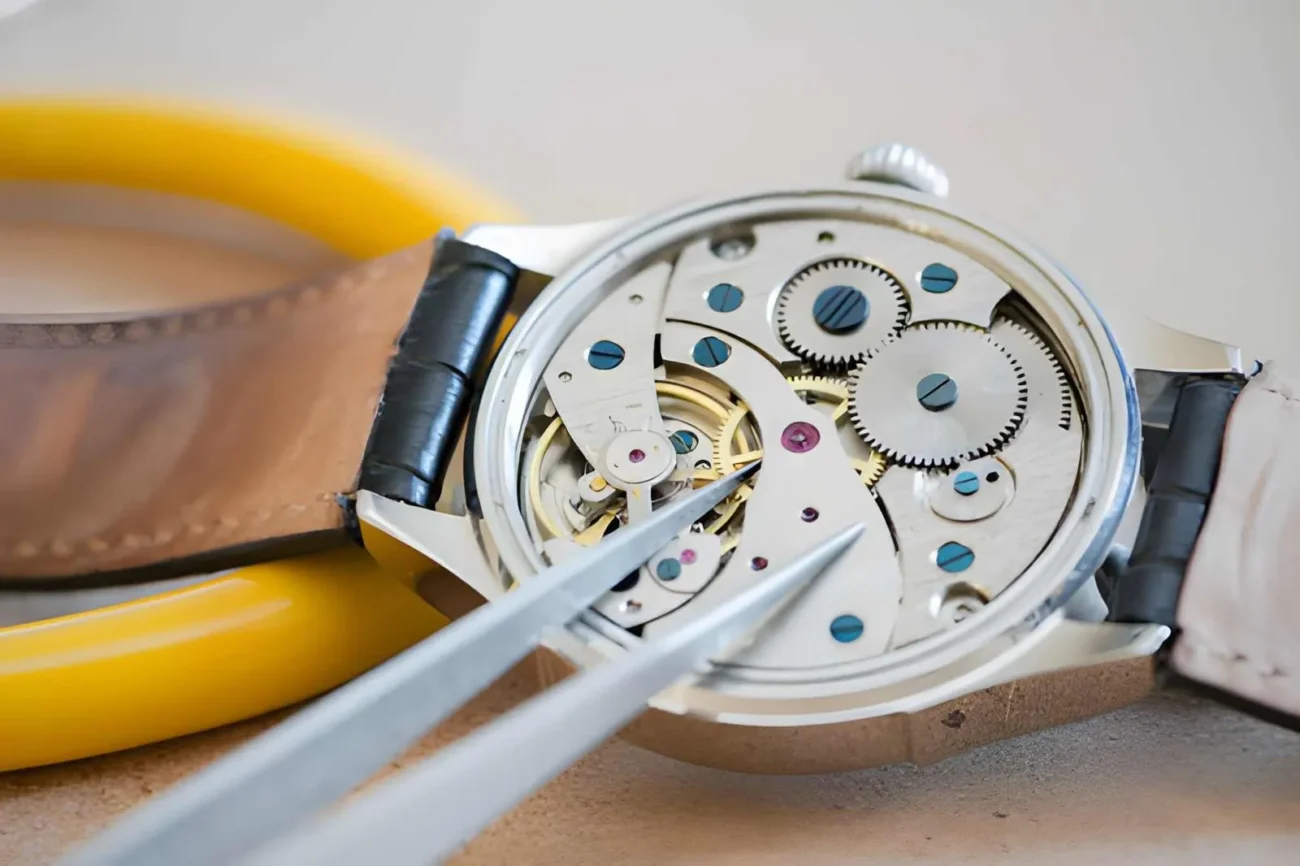
Choosing a mechanical watch rarely comes down to simply picking whichever design catches your eye first. Beneath the dial sits a small mechanical system, and understanding it means getting familiar with movement type, materials, water resistance, fit, documentation, and the long-term servicing a piece will eventually need. Shoppers comparing established watch categories—including breitling watches—are better served by weighing technical specifications and ownership requirements than by leaning on appearance or brand familiarity alone. This article is meant as general consumer education, not an endorsement of any retailer, brand, or specific model. It draws a clear line between verifiable specifications and personal preference, so readers can make decisions that actually fit their own needs.
Understanding What Makes a Mechanical Watch Different
A mechanical movement stores energy in a tightly wound mainspring, then releases it gradually through a gear train to a regulating oscillator that governs how accurately the watch keeps time. An automatic movement is simply a mechanical movement that winds itself through wrist motion via a rotor, cutting down on the need for manual winding. A quartz movement, by contrast, runs on a battery-powered oscillating crystal, generally needs less frequent maintenance, and often delivers better day-to-day accuracy.
Many owners are drawn to mechanical movements for the craftsmanship involved and the fact that parts can often be repaired or replaced rather than thrown away. That said, specifications like power reserve, accuracy tolerance, and winding requirements vary a great deal from one model to the next, so it’s worth consulting the manufacturer’s actual documentation rather than leaning on general assumptions.
Evaluating the Case, Crystal, and Bracelet
Case Materials and Construction
Stainless steel, titanium, ceramic, and precious metals each come with their own trade-offs in weight, scratch resistance, corrosion resistance, repairability, and comfort. Titanium is lightweight and corrosion-resistant, though it can be trickier to polish out scratches; ceramic holds up well against scratching but tends to be more vulnerable to shattering on a hard impact. Finishing—brushed, polished, or a mix of both—shapes the look of a watch but doesn’t, on its own, determine how durable it is.
Crystal and Dial Protection
Mineral, acrylic, and sapphire crystals each differ in scratch resistance, how they behave under impact, clarity, and replacement cost. Sapphire shrugs off scratches well but can be more brittle under a sharp blow than acrylic. Rather than guessing at crystal type based on price or appearance, check the listed specifications directly.
Bracelet, Strap, and Fit
Metal bracelets, leather, rubber, and fabric straps each suit different climates, workplaces, and skin sensitivities. Before buying, check the lug width, clasp adjustability, and overall wrist comfort. A leather-strap dress watch, for instance, might work beautifully in an office but makes less sense for someone commuting through wet weather or staying active outdoors, where a water-resistant bracelet watch tends to hold up better.
Reading Water-Resistance Ratings Correctly
Water resistance is a pressure rating tied to specific test conditions—it isn’t a blanket guarantee for every activity involving water. Ratings typically distinguish between splash resistance, shower or swimming suitability, and recreational diving specifications. Importantly, water resistance isn’t permanent: seals age over time, and resistance can drop once a case has been opened for service. Never operate crowns or pushers underwater unless the manufacturer explicitly says it’s safe to do so, and always double-check that the crown is properly seated before any exposure to water. After contact with salt water or chlorine, rinse a suitable watch with fresh water, following the manufacturer’s instructions.
Before Water Exposure:
– Confirm the model’s specific rating
– Check crown and pusher positions
– Inspect for visible case or seal damage
– Arrange periodic pressure testing if regularly exposed to water
How to Assess Authenticity and Condition
With pre-owned watches, authentication becomes especially important when documentation, original parts, or service history are incomplete. Reasonable checks include comparing reference and serial numbers, confirming consistency between the watch and any accompanying paperwork, and examining the movement, dial printing, and case finishing closely. Photographs and serial numbers alone can’t conclusively prove authenticity—when a purchase carries real financial risk, it’s worth having a qualified watchmaker or authorized service center take a look.
It helps to think of this as four separate questions: authenticity, originality of parts, condition, and service history. A warranty card is not proof of authenticity. Manufacturers often restrict formal authentication to their own facilities or authorized networks, something reflected in official service guidance from major watchmakers.[5] Sellers, for their part, should be upfront about replaced parts, refinishing, aftermarket components, or gaps in service history.
Building a Realistic Ownership and Maintenance Plan
Everyday Care
Shield a mechanical watch from unnecessary shocks, strong magnetic fields, extreme temperatures, and corrosive substances. Sudden shifts in timekeeping, condensation under the crystal, unusual resistance when winding, or unexpected stopping are all signs worth having checked by a professional. Keep the crown in its intended position, follow model-specific winding guidance, and keep in mind that leather straps need different care than metal bracelets—especially when it comes to prolonged moisture exposure.
Servicing and Water-Resistance Checks
There’s no single service interval that applies to every mechanical watch; the right timing depends on the movement, manufacturer guidance, how the watch is used, climate, and any symptoms it shows. As one reference point, Patek Philippe recommends service through an official service center or authorized retailer every eight to ten years.[2] A water-resistance test, though, is not the same thing as a full movement overhaul. A complete service typically covers inspection, disassembly, cleaning, lubrication, replacing worn parts, reassembly, and regulation. Hold on to service records, receipts, and pressure-test results—they add up to a useful paper trail.
Service sooner if: the watch has been exposed to unexpected moisture, taken an impact, started keeping time abnormally, stopped running, or shows unusual resistance when wound.
Comparing Total Cost and Long-Term Practicality
Ownership costs reach well beyond the sticker price: servicing, strap or bracelet replacement, crystal or seal replacement, insurance, professional authentication, and applicable shipping or taxes all add up. A technically impressive watch can still be a poor fit if its size, weight, maintenance demands, or water limitations clash with daily life. Think about the conditions you’ll actually wear it in, local access to qualified service, parts availability, and how long you expect to keep it. One buyer may prioritize a low-maintenance daily watch and lean toward quartz reliability, while another values mechanical construction enough to accept more frequent servicing in exchange for the craftsmanship—neither approach is inherently better. And it’s worth resisting the assumption that any watch is guaranteed to appreciate in value or hold fixed worth as an investment.
Responsible Research Before Purchase
Before buying, consult the exact model’s technical specifications, the manufacturer’s care and service guidance, independent watchmaker assessments, and clear warranty and return terms. Pay attention to whether marketing claims use precise, verifiable language—industry advertising and labeling guidance exists specifically to curb misleading claims, including U.S. Federal Trade Commission guidance for the watch industry.[3][7] Save screenshots or copies of listings, specifications, and seller disclosures, and check claims against primary documentation rather than taking unverified reviews at face value.
Key Takeaways for Choosing With Confidence
Key Takeaway: The best mechanical watch isn’t necessarily the most elaborate one—it’s the one whose construction, maintenance needs, and daily usability actually match the owner’s priorities.
Verify the exact model, don’t assume water resistance, plan for maintenance, and bring in qualified professionals whenever authenticity or repairs are in question.
Making an Informed Long-Term Choice
A watch is worth evaluating both as a precision instrument and as something you’ll actually wear and live with. Thoughtful selection comes down to verified specifications, realistic maintenance expectations, and honest information about condition. Before you buy, put together a short checklist of what matters most for your lifestyle, and hold on to your documentation carefully—it will pay off at every future servicing visit.

I am Amelia 35-year-old expert blogger and SEO specialist with a passion for crafting engaging, high-quality content. With years of experience in digital marketing and writing, I blend creativity with strategy to help websites grow. My work reflects insight, authenticity, and a love for connecting ideas through words.