
Key Takeaways
- The right heating system fits your home’s layout, insulation, budget, and comfort needs.
- Proper sizing and installation quality are as important as the equipment itself.
- Winston-Salem homeowners should consider both cool winter nights and long, humid summer seasons when comparing options.
- Heat pumps, furnaces, ductless systems, and geothermal systems each solve different household challenges.
- A detailed written quote should cover equipment, labor, permits, electrical work, warranties, and startup testing.
Choosing a heating system in Winston-Salem, North Carolina, is not simply a matter of replacing one box with another. Piedmont winters can bring chilly mornings, damp cold snaps, and occasional freezing weather, while summers place equal demand on cooling and humidity control. That makes a balanced, year-round approach especially valuable when planning a furnace replacement Winston Salem, homeowners can depend on.
In 2026, a smart choice starts with the house itself. A system that works well in a compact bungalow near Ardmore may not be the best fit for a larger, two-story home in Clemmons or a renovated historic property closer to downtown Winston-Salem. The Triad’s mix of older residential neighborhoods and newer developments means heating demands can vary significantly from one Winston-Salem neighborhood to another. Comfort complaints, utility costs, existing ductwork, and future remodeling plans should all shape the decision.
Why Heating Choices Require More Thought In Winston-Salem
Purchase price matters, but it is only one part of the decision. Homeowners also need to weigh energy use, repair history, indoor noise, airflow, maintenance needs, and how evenly rooms stay warm. Modern systems may offer variable-speed operation, connected thermostats, and zoning features. Still, those features are most useful when they address a real problem, such as an upstairs bedroom that is consistently colder than the rest of the home.
Because Winston-Salem homes need reliable heating and capable air conditioning, with particular emphasis on humidity control during our long, sticky summers, many households compare equipment that can handle both seasons. The U.S. Department of Energy explains that heat pumps transfer heat rather than generate it through combustion, allowing a single system to provide both heating and cooling.
Start With The Home, Not The Equipment
Before selecting a new unit, assess the conditions it must work with. Inspect the attic, crawl space, basement, exterior doors, and windows for gaps in insulation or noticeable drafts. Look at supply registers, return grilles, and duct connections, especially if some rooms feel stuffy, hot, or cold. In Winston-Salem’s climate, where humidity levels can strain cooling systems during summer months, proper insulation and air sealing become even more critical.
A high-efficiency heating system cannot fully overcome major air leaks, weak insulation, blocked returns, or damaged ducts. Addressing those issues can improve comfort and may change the equipment capacity the home actually needs.
Compare The Main Heating System Types
Heat Pumps
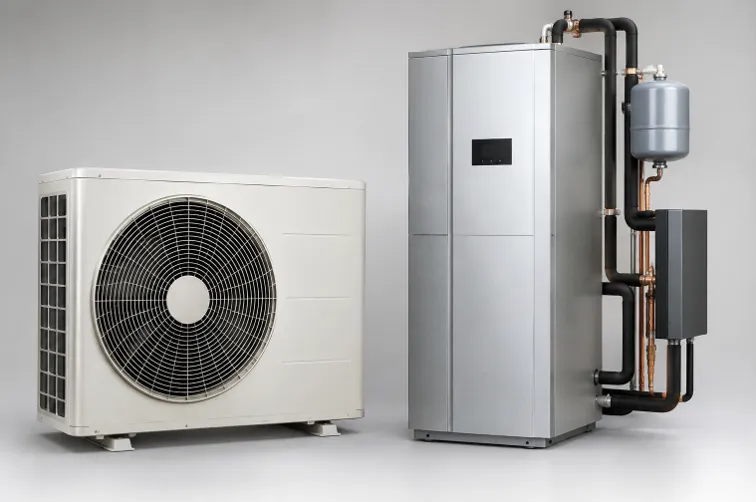
Central heat pumps are often attractive in Winston-Salem because they provide both heating and cooling from a single system. They can work with existing ducts and may include electric backup heat or a dual-fuel setup with a gas furnace for colder conditions. Winston-Salem’s mild winters make heat pumps particularly cost-effective for many homeowners. Review the outdoor unit placement, electrical capacity, and backup heating strategy before choosing one.
Gas Furnaces
Gas furnaces remain a practical option for homes with an existing natural-gas connection and usable ductwork. They can deliver strong heat quickly, but correct venting, combustion safety checks, and working carbon monoxide alarms are essential parts of a safe installation.
Electric Furnaces
Electric furnaces have relatively simple operation and can be installed where gas service is unavailable. Their operating costs depend on electricity rates, insulation quality, and the home’s heating needs during the year.
Ductless Mini-Split Systems
Ductless mini-splits can be useful for finished attics, sunrooms, garage conversions, additions, and older homes where extending ductwork is difficult. They provide room-by-room control, though homeowners should consider the location of visible indoor units and plan for regular filter cleaning. Many Winston-Salem homeowners appreciate the zoning capability, especially in older Ardmore or downtown properties with varied room sizes.
Geothermal Systems
Geothermal systems use stable underground temperatures to move heat. They require substantial up-front planning because the project depends on available land, soil conditions, drilling or trenching access, and budget. They are generally best evaluated as part of a long-term property plan.
Match The System To Household Priorities
- Lower disruption: A ducted system may be simpler when ducts and equipment locations are in good condition.
- Room-by-room comfort: Consider zoning, ductless units, or targeted improvements for problem areas.
- Quieter operation: Ask about sound levels and variable-speed equipment.
- Outage planning: Confirm fuel needs, electrical requirements, and generator compatibility.
- Long-term ownership: Consider maintenance access, repair costs, and whether the home may be renovated or sold in the coming years.
Why Proper Sizing Matters
Heating load is the amount of heat a home needs to maintain a comfortable indoor temperature under local design conditions. Oversized equipment may cycle on and off too frequently, while undersized equipment may run for long periods without adequately warming the home. Square footage alone is not enough. Window area, ceiling height, insulation, orientation, air leakage, and duct performance all matter.
Ask whether the contractor will complete a room-by-room load calculation. ENERGY STAR notes that properly sized HVAC equipment supports better comfort and performance, and that contractors can use a Manual J calculation to determine heating and cooling needs.
Efficiency Ratings And Modern Controls
Compare efficiency ratings only within the same type of equipment. A higher rating can be meaningful, but real-world results still depend on installation quality, airflow, thermostat settings, and maintenance. Request estimated operating costs rather than focusing only on the highest available rating.
Programmable thermostats, temperature sensors, zoning controls, filter reminders, inverter-driven compressors, and variable-speed blowers can improve day-to-day comfort. Still, extra technology should solve a clear household need, not simply add complexity.
Questions To Ask Before Signing A Quote
- What model, fuel type, and capacity are included?
- Was a room-by-room load calculation completed?
- Will ductwork, airflow, and electrical capacity be evaluated?
- Are permits, inspections, disposal, cleanup, and startup testing included?
- What labor and manufacturer warranty coverage applies?
- What maintenance will the new system require?
Common Installation Mistakes To Avoid
Do not choose solely by the lowest quote, assume a larger unit is automatically better, or overlook aging ducts and electrical upgrades. Waiting until a complete breakdown can also limit choices and force a rushed decision during cold weather. Planning before the current system fails gives homeowners more time to compare options carefully.
Conclusion
The best new heating system for a Winston-Salem home is the one that matches the property, local weather, household routines, and long-term plans. Begin with insulation, ducts, airflow, and a proper load calculation. Then compare suitable system types using detailed quotes that explain the full scope of work. That process can lead to dependable winter warmth, better summer comfort, and fewer surprises after installation.

I am Amelia 35-year-old expert blogger and SEO specialist with a passion for crafting engaging, high-quality content. With years of experience in digital marketing and writing, I blend creativity with strategy to help websites grow. My work reflects insight, authenticity, and a love for connecting ideas through words.


