
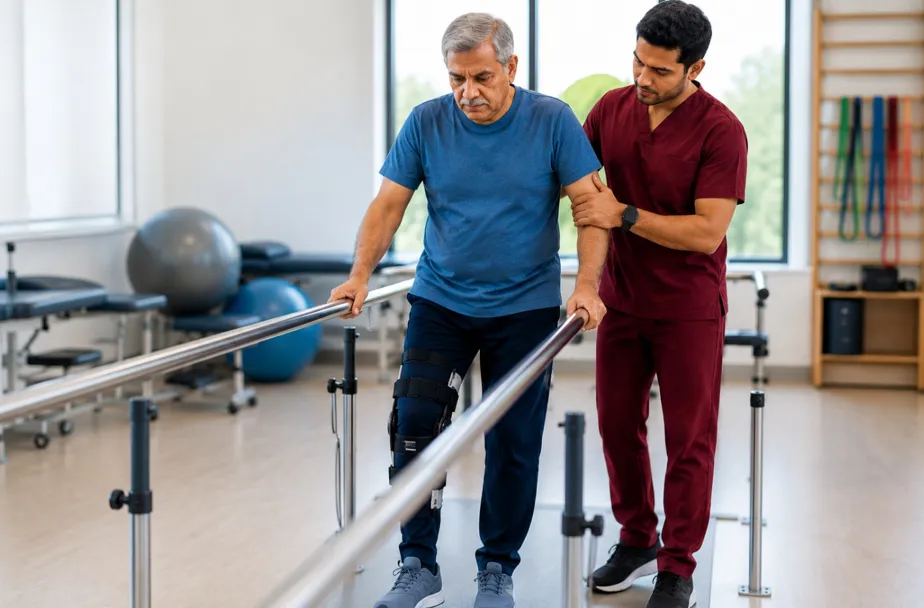
A heart attack is a medical emergency that requires immediate treatment, but recovery doesn’t end when a patient leaves the hospital. In reality, healing the heart is a gradual process that unfolds over weeks and months. Every phase of the heart attack recovery timeline comes with unique challenges, goals, and opportunities for improvement. A structured cardiacrehabilitation program ensures that patients receive the right care at the right time, helping them regain strength, reduce complications, and return to an active life.
At Antara Care, we recognize that every recovery journey is different. Our personalized cardiac rehabilitation services combine physiotherapy, skilled nursing, medical monitoring, nutritional guidance, and patient education to support individuals from the early days after a heart attack through long-term recovery.
Understanding the Heart Attack Recovery Timeline
The heart attack recovery timeline varies depending on factors such as:
- The severity of the heart attack
- The extent of heart muscle damage
- The patient’s age
- Existing medical conditions
- Overall physical fitness
- Whether procedures such as angioplasty or bypass surgery were performed
- Commitment to cardiac rehabilitation
While every patient heals differently, following a structured rehabilitation plan significantly improves recovery outcomes and lowers the risk of future cardiac events.
Stage 1: The First 24–72 Hours – Stabilization in the Hospital
Immediately after a heart attack, the focus is on stabilizing the patient’s condition and preventing further damage.
Medical care during this stage may include:
- Continuous heart monitoring
- Medications to improve blood flow
- Angioplasty or stent placement if required
- Oxygen therapy
- Pain management
- Blood pressure and heart rhythm monitoring
Once the patient is medically stable, rehabilitation begins with gentle movement under supervision.
The Role of Cardiac Rehabilitation
Although exercise is minimal at this stage, cardiac rehabilitation specialists focus on:
- Preventing prolonged bed rest complications
- Encouraging safe mobility
- Assessing physical function
- Educating patients and caregivers
- Planning the next phase of recovery
Early rehabilitation helps patients regain confidence while preparing them for discharge.
Stage 2: Week 1–2 – Returning Home Safely
The first two weeks after hospital discharge are often the most challenging.
Patients commonly experience:
- Fatigue
- Mild chest discomfort
- Reduced stamina
- Emotional stress
- Fear of another heart attack
Daily activities should be resumed gradually under professional guidance.
How Cardiac Rehabilitation Helps
A structured rehabilitation plan during this stage includes:
- Gentle walking programs
- Breathing exercises
- Medication management
- Blood pressure monitoring
- Heart rate monitoring
- Education about warning symptoms
- Nutritional counseling
At Antara Care, patients receive personalized recovery plans designed around their medical condition, ensuring a safe transition from hospital to home.
Stage 3: Weeks 3–6 – Building Strength and Confidence
By this stage, many patients begin feeling stronger, although energy levels may still fluctuate.
The primary goal is to gradually increase physical activity while protecting the healing heart.
Rehabilitation Focus
Cardiac rehabilitation now becomes more structured through:
- Supervised exercise therapy
- Walking progression
- Flexibility exercises
- Balance training
- Light strengthening activities
- Functional mobility exercises
Healthcare professionals continuously monitor recovery and adjust exercise intensity according to the patient’s progress.
Stage 4: Weeks 6–12 – Improving Cardiovascular Fitness
This stage represents significant progress in the heart attack recovery timeline.
Most patients can perform routine household activities with greater confidence.
Cardiac rehabilitation now focuses on improving:
- Cardiovascular endurance
- Muscle strength
- Physical stamina
- Walking distance
- Exercise tolerance
- Functional independence
Patients also receive ongoing education regarding:
- Stress management
- Weight control
- Smoking cessation
- Diabetes management
- Blood pressure control
- Cholesterol management
These lifestyle modifications are essential for preventing another heart attack.
Stage 5: Three to Six Months – Returning to Normal Activities
By three months, many patients have regained much of their physical capacity.
Depending on medical advice, patients may return to:
- Work
- Driving
- Social activities
- Moderate recreational exercise
- Household responsibilities
However, recovery remains an ongoing process.
The Importance of Continued Rehabilitation
At this stage, cardiac rehabilitation helps patients:
- Maintain exercise routines
- Improve heart health
- Build long-term healthy habits
- Monitor cardiovascular risk factors
- Stay motivated through regular follow-ups
Rather than ending rehabilitation, this phase focuses on making healthy living a permanent lifestyle.
Stage 6: Beyond Six Months – Lifelong Heart Health
A heart attack often serves as an opportunity to adopt healthier habits that protect long-term cardiovascular health.
Patients should continue:
- Regular physical activity
- Healthy eating
- Weight management
- Medication adherence
- Regular medical reviews
- Stress reduction techniques
Cardiac rehabilitation equips patients with the knowledge and confidence to sustain these habits independently.
Why Cardiac Rehabilitation Is Essential Throughout the Recovery Timeline
Promotes Safe Physical Recovery
Following a heart attack, patients may worry that physical activity could strain their heart.
Rehabilitation professionals design individualized exercise programs that safely increase activity levels without overloading the cardiovascular system.
Prevents Physical Deconditioning
Extended inactivity causes:
- Muscle weakness
- Reduced endurance
- Joint stiffness
- Poor balance
Structured rehabilitation helps patients regain strength while improving mobility and overall fitness.
Supports Emotional Well-Being
Recovery is not only physical.
Many patients experience:
- Anxiety
- Depression
- Fear of recurrence
- Reduced confidence
Cardiac rehabilitation provides emotional reassurance, education, and motivation, helping patients approach recovery with greater confidence.
Reduces Future Cardiac Risks
One of the biggest advantages of rehabilitation is prevention.
Patients learn how to control major cardiovascular risk factors, including:
- High blood pressure
- High cholesterol
- Obesity
- Diabetes
- Smoking
- Physical inactivity
Managing these conditions greatly reduces the chances of another heart attack.
Nutrition During the Heart Attack Recovery Timeline
Healthy eating supports healing and long-term heart health.
Cardiac rehabilitation includes nutritional counseling that encourages:
- Fresh fruits
- Vegetables
- Whole grains
- Lean protein
- Healthy fats
- Low-sodium meals
- High-fiber foods
Patients are also advised to reduce:
- Processed foods
- Fried foods
- Sugary beverages
- Saturated fats
- Excess salt
Even small dietary improvements contribute to better cardiovascular outcomes.
Monitoring Progress During Recovery
Recovery should never rely on guesswork.
Throughout rehabilitation, healthcare professionals regularly assess:
- Blood pressure
- Heart rate
- Exercise tolerance
- Oxygen levels
- Weight
- Functional mobility
- Overall cardiovascular improvement
Regular monitoring ensures rehabilitation remains both safe and effective.
Why Choose Antara Care for Cardiac Rehabilitation?
At Antara Care, recovery goes beyond medical treatment. We provide personalized rehabilitation programs designed to help patients safely progress through every stage of the heart attack recovery timeline.
Our multidisciplinary approach includes:
- Individualized cardiac rehabilitation programs
- Comprehensive health assessments
- Experienced physiotherapists
- Skilled nursing support
- Personalized exercise therapy
- Nutritional counseling
- Medication management assistance
- Continuous progress monitoring
- Home-based cardiac rehabilitation services
- Education for patients and caregivers
By focusing on physical recovery, emotional well-being, and preventive care, we help patients regain independence while improving long-term heart health.
Conclusion
The heart attack recovery timeline is a gradual journey that extends well beyond hospitalization. Each stage—from early stabilization and returning home to rebuilding strength and maintaining lifelong heart health—requires expert guidance and consistent support. Cardiac rehabilitation plays a central role throughout this process by improving physical function, promoting healthier lifestyle choices, and reducing the risk of future heart problems.
At Antara Care, we are committed to helping patients recover with confidence through personalized rehabilitation plans, experienced physiotherapists, skilled nursing care, and home-based cardiac rehabilitation services. By supporting patients at every stage of recovery, we help them regain independence, improve heart health, and enjoy a better quality of life.

I am Amelia 35-year-old expert blogger and SEO specialist with a passion for crafting engaging, high-quality content. With years of experience in digital marketing and writing, I blend creativity with strategy to help websites grow. My work reflects insight, authenticity, and a love for connecting ideas through words.


