Ever opened a message, saw “TB,” and felt that tiny pause of confusion? You are not alone. Texting slang moves fast, and meanings change with context, tone, and even the relationship you have with the sender. One short phrase can feel friendly, urgent, or awkward depending on how it lands. That is why understanding what TB Mean in Text matters more than ever in everyday digital conversations.
This guide is here to make things simple and stress-free. You will learn what TB Mean in Text really stands for, how people use it in casual chats, social media, and work messages, and how to respond without sounding rude or confused. We also cover polite alternatives, tone tips, and common mistakes to avoid. By the end, you will feel confident reading, using, and replying to TB naturally in 2026 and beyond.
Why Everyone’s Asking “What Does TB Mean in Texts?”
Texting has become the heart of daily communication. We talk to friends, family, coworkers, and even clients through short messages. When a tiny abbreviation like TB shows up, confusion is natural. Many people search this question because TB Mean in Text can feel unclear at first glance. One moment it sounds friendly, the next it feels urgent.
People are asking about it more because:
- Text slang changes fast and spreads quickly
- The same word can mean different things online
- Tone is harder to read in short messages
- Not everyone uses slang the same way
In casual chats, TB Mean in Text often feels harmless. In work messages, it can raise eyebrows. That mix of uses makes people curious and cautious. They want to reply the right way without sounding rude or clueless. Understanding the meaning helps reduce anxiety and keeps conversations smooth. That is why this question keeps popping up everywhere in 2026.
What Does TB Mean in Text? (Most Common Definition)
In everyday texting, TB means “Text Back.” It is a simple request asking someone to reply when they get a chance. The phrase is short, casual, and popular in fast-moving conversations where people want quick responses without sounding demanding.
You might see it used like this:
- “Busy now, TB later.”
- “TB when you’re free.”
- “Hey, TB soon 😊”
What makes this meaning popular is its tone. It feels softer than saying “reply now,” especially between friends or close contacts. TB Mean in Text works best in relaxed settings where both people understand texting shortcuts. It is not meant to pressure someone, just to keep the conversation going. When paired with emojis or friendly words, it often sounds caring and polite rather than impatient.
Common Variations of TB You’ll See in Messages
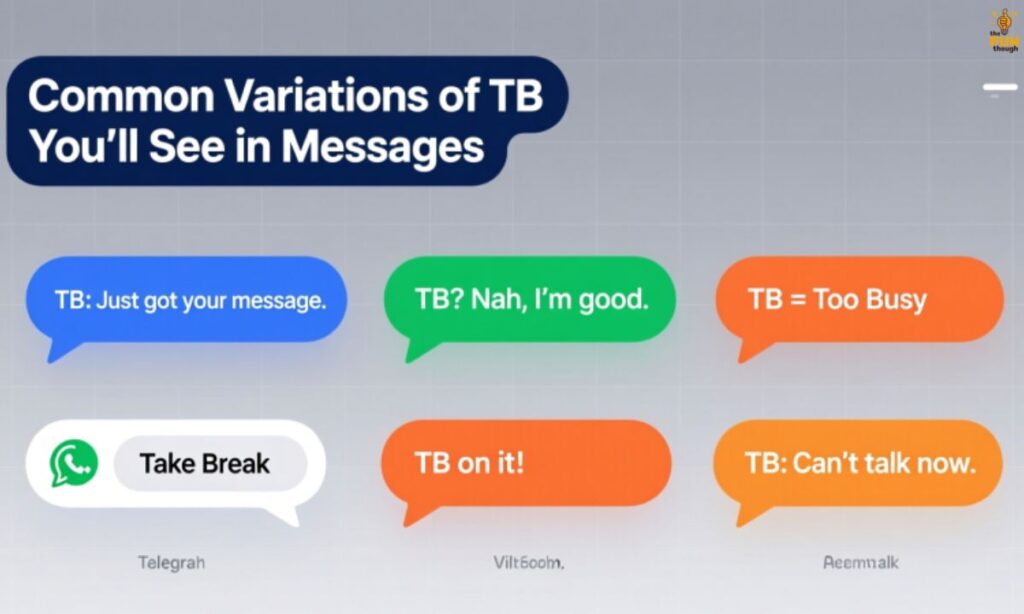
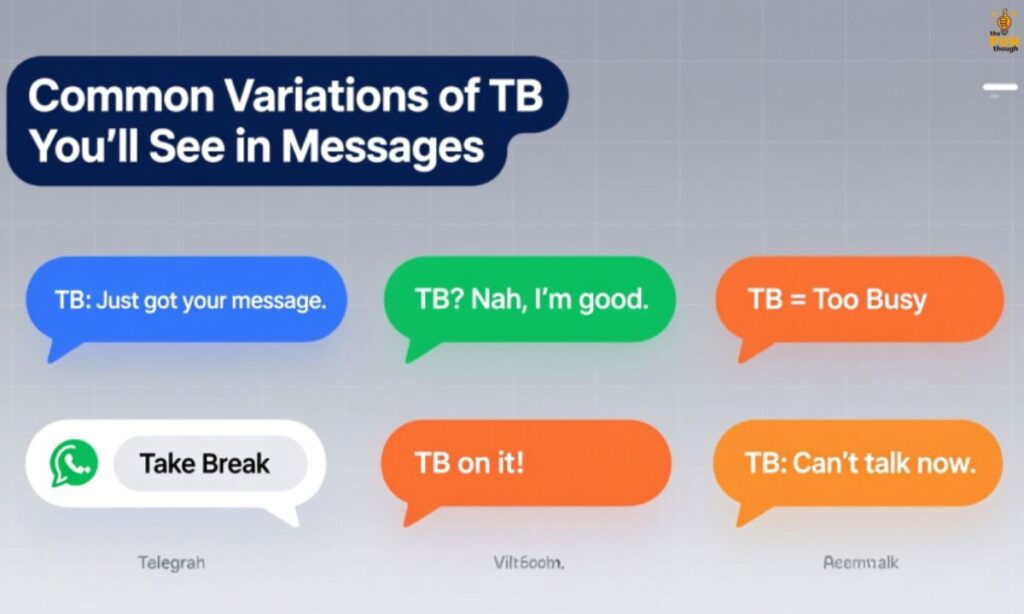
Once you understand the base meaning, spotting variations becomes easy. These small changes help shape tone and timing. While TB Mean in Text stays at the core, added words give more clarity and emotion.
Some common variations include:
- TB soon – a gentle reminder to reply later
- TB later – no rush, just follow up
- TB ASAP – urgent and time-sensitive
- TB me – casual and friendly wording
Each version carries a slightly different feeling. “TB soon” sounds relaxed. “TB ASAP” signals urgency. Knowing these differences helps you respond better and avoid misreading intent. In most cases, TB Mean in Text remains friendly when used with the right tone. Paying attention to the extra words makes communication clearer and more human, especially in quick chats where every word matters.
Expanded Understanding: Other Meanings of TB in Digital Communication
While TB Mean in Text usually points to “Text Back,” the internet loves shortcuts with multiple meanings. That is where confusion often begins. The same two letters can shift meaning depending on platform, topic, or setting. Knowing these alternatives helps you avoid awkward replies.
Here are other common meanings of TB you may see:
- Throwback – used on Instagram or TikTok with old photos
- Tuberculosis – seen in medical or health discussions
- Team Brief – common in office chats or meetings
- Thunderbolt – used in tech and gaming conversations
- Tampa Bay – popular in sports news and fan posts
Context is your best clue. In casual chats, TB Mean in Text almost always means “Text Back.” On social media, visuals usually signal “Throwback.” Understanding where and how the message appears keeps you from misreading intent. A quick pause to check context can save confusion and embarrassment.
How to Know Which “TB” Someone Means
Figuring out the right meaning does not need overthinking. Most of the time, clues are right in front of you. When people wonder what TB means in Text, they are usually missing the context, not the definition.
Ask yourself:
- Is this a one-on-one chat or a public post?
- Are they asking for a reply or sharing a memory?
- Does the message include urgency or emotion?
If someone writes, “TB when you can,” it clearly means reply later. If you see “TB to last year,” it points to nostalgia. TB Mean in Text becomes obvious once you look at tone, timing, and platform. When still unsure, asking politely is always okay. A simple question keeps communication open and avoids misunderstandings. Clear communication is better than guessing wrong.
Tone and Context: Why They Matter More Than Words
In texting, tone shapes meaning more than the words themselves. Two letters can feel warm, cold, or urgent depending on how they are used. That is why understanding TB Mean in Text requires paying attention to emotion, not just slang.
Consider how tone changes meaning:
- Friendly tone feels supportive and relaxed
- Professional tone sounds polite and measured
- Urgent tone demands quick attention
- Romantic tone adds care or affection
A message like “TB 😊” feels gentle. “TB ASAP” feels serious. Context fills in what words leave out. TB Mean in Text is rarely rude by itself. It becomes pushy only when the tone feels sharp or demanding. Matching the sender’s energy helps conversations flow naturally and keeps texting feeling human, not mechanical.
15 Polite, Professional & Friendly Replies to TB
When someone sends TB, your reply sets the mood. A thoughtful response keeps the conversation smooth and respectful. Since TB Mean in Text usually asks for a reply, acknowledging it kindly makes a good impression. You do not need long messages. Simple words work best.
Here are easy reply ideas for different situations:
- “Just saw this. Replying now.”
- “Thanks for the reminder.”
- “I’ll get back to you shortly.”
- “Sorry for the delay. Here I am.”
- “On it. Give me a moment.”
For warmer chats, emojis help soften tone. In work settings, clear and calm replies feel more professional. Understanding TB Mean in Text helps you respond with confidence instead of stress. A polite reply shows respect for the other person’s time and keeps communication friendly, clear, and human.
Choosing the Best Response: Key Considerations
Not every TB message deserves the same energy. Before replying, pause and read the situation. When people ask what TB means in Text, they often worry about sounding rude or careless. Small choices make a big difference.
Keep these points in mind:
- Who sent it – friend, partner, or coworker
- How urgent it feels – relaxed or time-sensitive
- Where it appears – personal chat or work space
Matching tone matters more than perfect wording. A relaxed TB calls for warmth. An urgent one needs clarity. TB Mean in Text is flexible, but your response should always feel respectful. Short, thoughtful replies avoid misunderstandings and show you value the conversation without overexplaining.
Why You Should Avoid Using “TB” in Formal Contexts
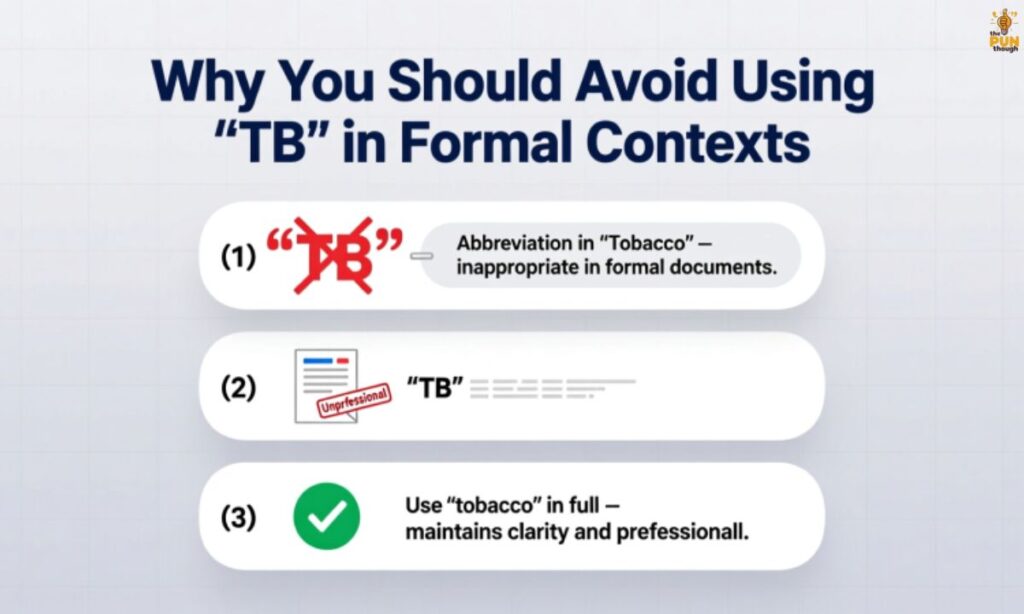
Even though TB is popular, it does not fit every situation. In formal or professional spaces, clarity beats shortcuts. While TB Mean in Text works in casual chats, it can confuse or feel unprofessional at work.
Reasons to avoid it in formal settings:
- Not everyone understands slang
- It can sound impatient or vague
- Some link TB to medical or technical terms
Instead, full phrases create trust and clarity. Saying “Please reply when convenient” sounds polished and respectful. TB Mean in Text belongs to friendly conversations, not serious emails or official messages. Choosing clear language shows professionalism and helps avoid misunderstandings that simple abbreviations can create.
Polite Alternatives to “TB” (If You’re the One Sending the Message)
Sometimes you want a reply without sounding rushed or careless. That is where clear, polite wording helps. Even though TB Mean in Text works well in casual chats, full phrases often feel warmer and more thoughtful. They also reduce confusion, especially with new contacts.
Here are gentle alternatives you can use:
- “Text me when you’re free.”
- “Please reply when you can.”
- “Let me know once you see this.”
- “Looking forward to your reply.”
- “Ping me later if possible.”
These options sound natural and respectful. They keep the message human without pressure. If you feel unsure about using slang, spelling things out is always safe. Understanding how TB Mean in Text comes across helps you choose words that fit your relationship and situation. Clear language builds trust and keeps conversations flowing smoothly.
Common Misinterpretations of TB You Should Avoid
One reason people feel unsure about TB is its many meanings. While TB Mean in Text often refers to “Text Back,” not everyone reads it that way. Misunderstandings usually happen when context is missing.
Common mix-ups include:
- Confusing TB with medical topics
- Reading it as “Throwback” in private chats
- Assuming urgency when none exists
- Using it with people unfamiliar with slang
These mistakes can lead to awkward replies or silence. If the message feels unclear, pause before responding. Context, platform, and relationship matter. TB Mean in Text is simple when used correctly, but risky when assumptions take over. Asking for clarity is better than guessing. A short question can save confusion and keep communication comfortable for everyone involved.
How to Master the Use and Response to TB in Texts
Confidence in texting comes from awareness, not slang alone. To use TB well, focus on clarity and kindness. Knowing how TB Mean in Text shifts with tone helps you stay in control of conversations.
Simple rules to follow:
- Use TB casually, not formally
- Read the mood before replying
- Match urgency with your response
- Spell it out when unsure
Responding thoughtfully matters more than speed. A warm reply shows respect. When sending messages, think about how the other person may read your words. TB Mean in Text is most effective when it feels natural, not forced. Clear communication always wins. When in doubt, choose words that sound like you and make others feel heard.
Quick Recap: Understanding TB Without the Confusion
Let’s bring everything together in a simple, clear way. Texting should feel easy, not stressful. Once you understand what TB Mean in Text, those short messages stop feeling confusing and start making sense. Most of the time, it is just a friendly nudge to reply.
Here is what to remember:
- TB Mean in Text usually stands for “Text Back”
- Context decides everything in digital communication
- Tone can make TB feel friendly or urgent
- It works best in casual, personal conversations
- Full sentences are safer in professional settings
Knowing when to use TB and when to avoid it helps you communicate with confidence. You do not need to rely on slang to sound modern. Clear and kind messages always work better. When unsure, spelling things out keeps conversations warm, respectful, and easy to understand.
FAQs About TB Meaning in Text
What does TB mean in text messages?
Most commonly, TB Mean in Text as “Text Back.” It is a casual way to ask for a reply.
Is TB friendly or rude in texting?
It depends on tone. With emojis or warmth, it feels friendly. Without context, it can sound pushy.
Does TB mean something else online?
Yes. On social media, TB can mean “Throwback.” Context always decides the meaning.
Can I use TB with friends?
Absolutely. Friends often use TB casually in everyday chats.
Is TB okay in professional messages?
It is better to avoid it. Full sentences sound clearer and more respectful at work.
How should I reply when someone says TB?
Acknowledge it kindly. A short, polite reply works best.
Does TB mean reply immediately?
Not always. Words like “ASAP” add urgency. Alone, TB is usually gentle.
Is TB common in 2026 texting?
Yes. TB Mean in Text is still widely used in casual digital conversations.
Can TB feel romantic?
It can. In close relationships, TB may sound caring or playful.
What if I am unsure what TB means?
Just ask. A simple question avoids confusion and keeps communication clear.
Conclusion
Texting should feel easy, not stressful. Knowing what TB means in Text helps you avoid misunderstandings and respond with confidence. Most of the time, it simply means “Text Back,” but tone, platform, and context always shape how it feels. A friendly TB can be warm and caring, while an urgent one may need quick action. Reading the situation matters more than memorizing slang.
As digital language keeps evolving, clarity will always win. If using TB feels natural to you, go ahead in casual chats. If it feels unclear, write it out. Understanding what TB means in Text is not about sounding trendy. It is about staying kind, clear, and respectful in conversations. When in doubt, choose words that feel human. Good communication is not about shortcuts. It is about being understood and making others feel heard.

I am Amelia 35-year-old expert blogger and SEO specialist with a passion for crafting engaging, high-quality content. With years of experience in digital marketing and writing, I blend creativity with strategy to help websites grow. My work reflects insight, authenticity, and a love for connecting ideas through words.